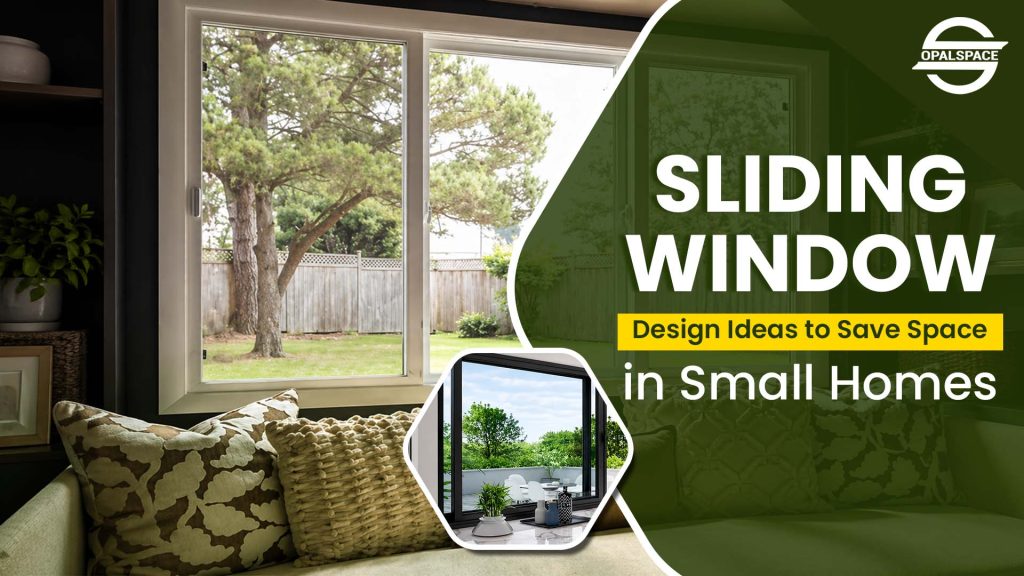
In this blog, we will discuss how sliding window design helps in solving space constraints in modern homes by improving layout, light, and ventilation
Table of Contents
Space is tight in most homes today. In apartments, every square foot counts. The windows you pick can make or break a room. Old-style windows open by swinging inward or outward. They take up floor space and block where you can put your sofa, bed, or desk. Sliding windows fix this problem. They slide left or right. They do not push into the room. You get fresh air and natural light, and you lose no floor space at all.
How Sliding Window Design Works in Small Rooms
A sliding window moves left and right inside a fixed frame. It never gets bigger or smaller. It does not come into the room or go outside. This means you can put a bed or a sofa right next to the window and still open it easily. No floor space is lost. People can walk around the room freely. The room stays neat and open.
What is Sliding Window Design?
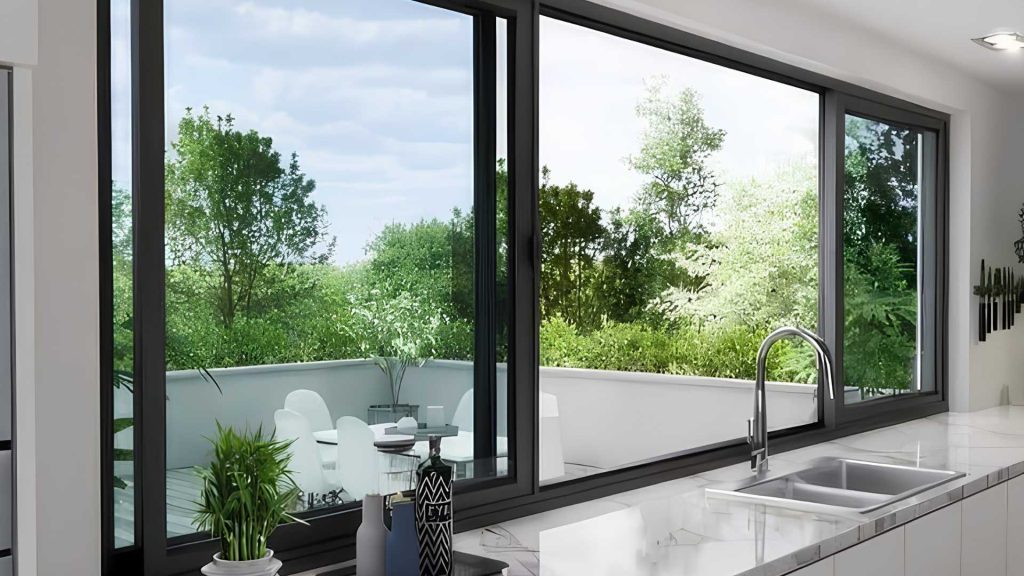
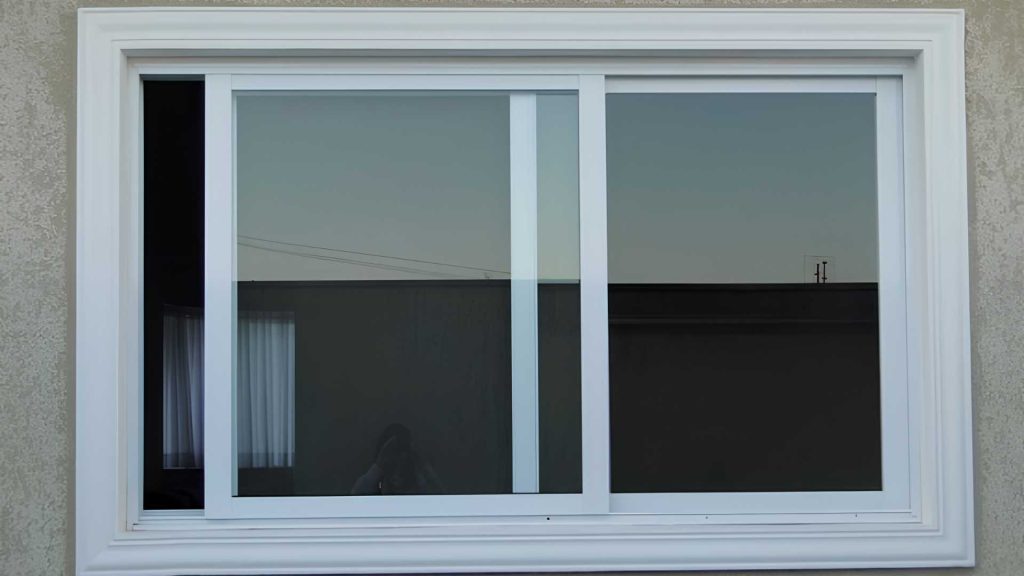
A sliding window is a window that opens by sliding sideways on a track. It does not push in or pull out as old windows do. It usually has two panels. Both panels stay inside the window frame when you open or close it. Because of this, it does not need any extra space to work. This makes it a very smart pick in all window designs for small or medium-sized homes.
These windows come in different materials. Each material has its own benefits.
These windows come in different materials. Each material has its own benefits.
- Aluminium Sliding Window Design: Strong, light in weight, and durable.
- UPVC Frames: Keep the room cooler or warmer, and needs very little upkeep.
- Glass options: Plain clear glass, frosted glass for privacy, tinted glass to block heat, or double-glazed glass for noise and temperature control.
Why Space Limitations Are a Common Problem in Modern Homes?
Homes in Delhi, NCR and Gurugram are getting smaller. Builders try to fit more flats into less land. So rooms are becoming smaller. Kitchens are narrow. Bedrooms are small. In these spaces, even a window that swings open can become a problem. It can block a chair, a table, or a walkway.
Challenges with Traditional Windows in Small Homes
Traditional windows can create several issues
- They need clear space in front of them to open.
- You cannot place furniture near them.
- They get in the way when someone walks past.

How Sliding Windows for Homes Improve Space Efficiency
- No Swing Space Needed
2. You Can Put Furniture Anywhere
Because the window does not swing, your bed, sofa, desk, or cabinet can sit right next to it. Nothing blocks anything. This makes planning a small room much easier. You do not need to rethink where things go just because of the window. Even the corners of a room become useful. Storage near the window is no longer a problem.
3. Ideal for Narrow Areas
Sliding windows work especially well in.
- Hallways
- Small Kitchens
- Balcony walls
- Utility spaces
4. Moving Around the Room Gets Easier
When a window swings open, you have to watch out for it. You have to walk around it. With a sliding window, there is nothing in the way. The panel stays inside the frame. You can walk past it without thinking. This matters a lot in rooms like the kitchen or living room, where people move around all day.
What are the Key Benefits of Sliding Window Design?
- Space Efficiency
- Modern Aesthetic Appeal
- Improved Natural Light
- Ventilation Control
- Low Maintenance
Types of Sliding Window Design for Homes
Sliding windows are not one-size-fits-all; they come in many designs according to different interiors. Understanding these types helps to select the best option for the home.
Aluminium Sliding Window
Aluminium is one of the most popular choices. It is durable, weather-resistant, and works well for both interiors and exteriors.
Sliding Glass Window Design
Sliding glass window design uses different types of glass to control privacy, heat, and sound. Frosted glass blurs visibility, tinted glass reduces sunlight and heat, and double glazing uses two layers of glass to improve insulation and block outside noise.
Lift & Slide Window
It supports large glass panels, so it suits wide openings like balconies and patios. In interiors, it brings in more daylight and opens up living areas. In exteriors, it gives a clean look and a tight seal against wind and rain.
Multi-Panel Sliding Windows
A multi-panel sliding window is a system in which two or more parallel tracks allow multiple panels to slide. These are ideal for larger openings, such as living rooms or balconies. They allow wider views and better airflow.
Best Areas to Use Sliding Windows in Homes
Bedrooms
In small bedrooms, what you do have is the option to put beds by the window, which in turn does not take away from the floor space. Also, this is a great idea for those who really want to maximise the use of each wall. Also, you will be able to add side tables or storage by the bed. For the issue of natural light, which is a plus point. Also, if your bedroom is by a busy area, you have the option of choosing the right glass, which in turn takes care of noise and privacy issues without having to change the layout.
Kitchens
They are a great fit for tight spaces in the kitchen, which is true of areas near the counters and the sinks. In most kitchens, cabinets and counters are so big that does not leave much space to move freely. Sliding windows do very well at going above the sink or to the side of the range because they don’t impede movement as you work. Also, they improve ventilation, which is key for getting out heat, smoke and cooking smells.
Living Rooms
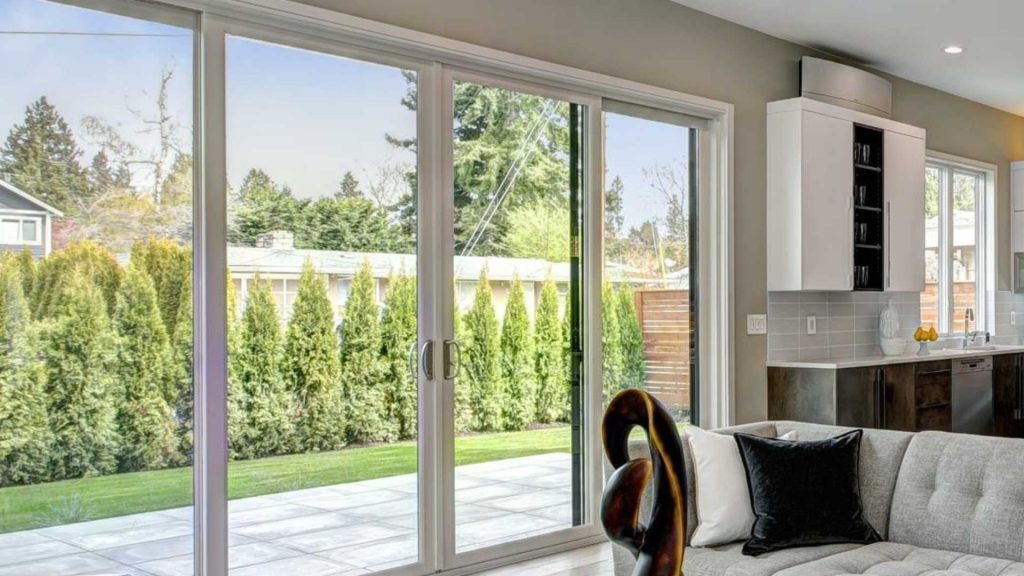
They give an open feel and tie into the outdoors. Also, in the living rooms, which we use the most in a home, we keep them uncluttered, which really does make a difference. We see into the space more with sliding windows, which have large panes of glass; also, these let in more natural light and make the room feel larger. Also, they present better views, which is great if the room leads out to a balcony or garden.
Balcony
In small homes that don’t have a lot of space to start with, we avoid swing windows in balconies that are already tight. Instead, we use sliding windows or doors for that, which allows easy movement between the different spaces and which also has a smooth transition. Also, they do a great job at controlling dust, noise and weather, which we may want to keep out, without at the same time fully blocking out the light.
Get Expert Sliding Window Design Solutions with Opalspace
Sliding window design offers a simple and practical way to deal with space constraints in modern homes. It removes the need for extra opening space and makes rooms easier to plan. It also brings light, supports better ventilation, and fits well with contemporary home design. If you’re looking to make better use of your space without complicating the layout, sliding windows are a reliable option.
If you’re planning a home upgrade, Opalspace designers can help you go beyond just windows. From smart space planning to complete interior design solutions, they work across different areas of home interiors to create spaces that are both functional and well-designed.
If you’re planning a home upgrade, Opalspace designers can help you go beyond just windows. From smart space planning to complete interior design solutions, they work across different areas of home interiors to create spaces that are both functional and well-designed.
FAQs
1. How do sliding windows help save space?
Sliding windows do not require any extra space to open. Since they move within their frame, you can use the area around them freely. This makes them ideal for compact rooms where space is limited.
2. Are sliding windows better than traditional windows for small homes
Yes, they are more suitable for small homes. Traditional windows need clearance to open, while sliding windows do not. This allows better use of floor space and easier furniture placement.
3. Where are sliding windows most useful in a home?
Sliding windows work well in bedrooms, kitchens, living rooms, balconies, and narrow areas like hallways. They are especially helpful in tight spaces where traditional windows may cause obstruction.
4. What materials are used for sliding window frames?
Common materials include aluminium and UPVC. Aluminium is strong and durable, while UPVC offers good insulation and low maintenance. Both are suitable for modern homes.
5. What types of glass can be used in sliding windows?
Sliding windows can use clear, frosted, tinted, or double-glazed glass. Each option serves a purpose, such as privacy, heat reduction, or sound insulation. You can choose based on your needs.