Skip to content

Latest Kids Wardrobe Designs to Help Your Kids Stay Organised

Kids Wardrobe Designs

Latest Kids Wardrobe Designs to Help Your Kids Stay Organised

Table of Contents

Kids wardrobe gets outdated like clock walk than parents expect. Tiny clothes take the place of school uniforms, bags, books, toys, and hobby items almost in no time. When this happens, the storage starts falling short. In small bedrooms, the wardrobe also takes away a big part of the usable space. Parents then realise that the room needs more than a basic storage unit. It needs proper sections, smart space planning, and easy access for children. Only a multi-functional kids wardrobe design can sort out so many daily storage problems. And make the room 100% useful for growing children.

How is a Kids Wardrobe Design Different from a Regular Wardrobe?

A regular wardrobe follows adult storage needs. Kids room wardrobe works very differently. Children need easy access to clothes, books, toys, school items, and daily essentials. Their storage needs also change very fast as they grow. 

A wardrobe that works for a toddler will not entirely work for a school-going child after a few years. That is why parents now look beyond basic shelves and drawers. They want smarter sections, safer round corners, better space usage, and layouts to fit changing routines. An intelligently designed kids wardrobe design helps children keep their things organised from an early age. That is something which makes daily use simpler for parents and kids at the same time.

What Smart Storage Features Should Kids Wardrobe Include?

A wardrobe for kids needs many more features than just a few drawers and a hanging section. Because children use their cupboards and wardrobes for storing all sorts of items. There are too many things precious to them. So it becomes a part and parcel of the search for an all-in-one kids wardrobe design for the parents.

  • Adjustable shelves
  • Pull-out baskets
  • Shoe drawers
  • Hidden laundry section
  • Toy organizers
  • Labelled compartments
  • Soft-close drawers
  • Motion sensor wardrobe lights

What are the Latest Kids Wardrobe Designs for Modern Homes?

Here are the latest wardrobe designs for kids that will help you to choose the best for your little one:

1. Sliding Kids Wardrobe Design

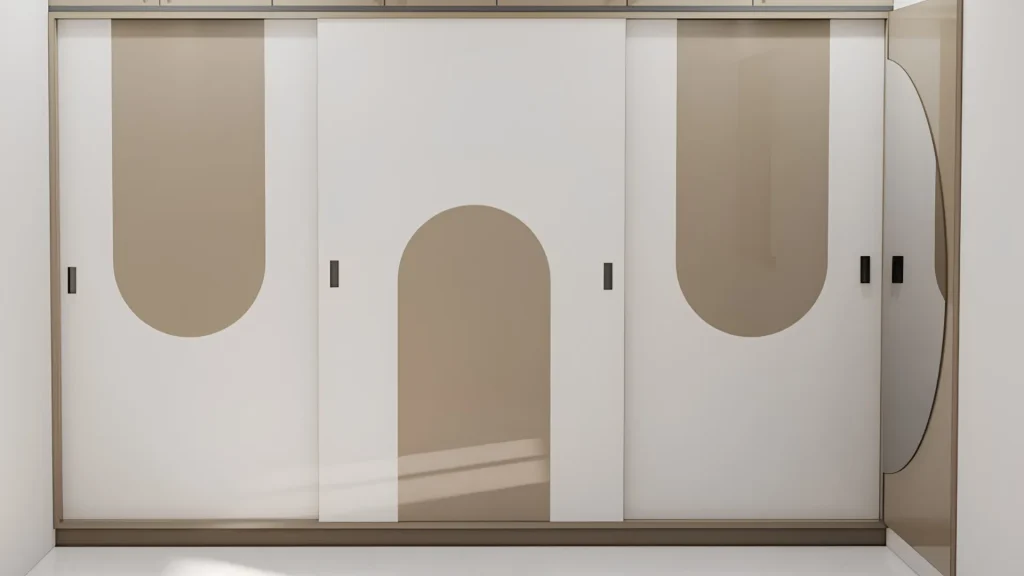
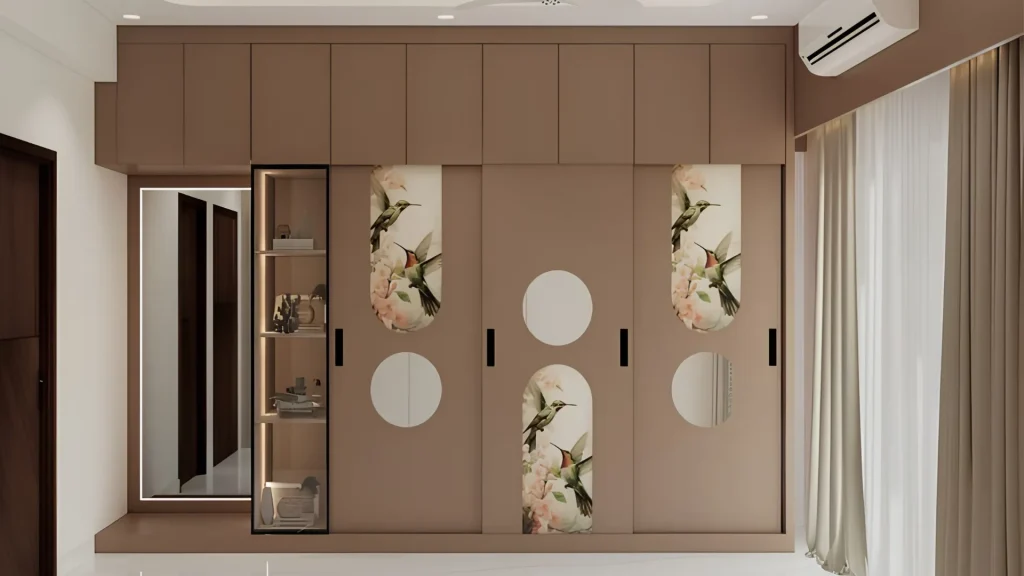
Sliding Kids Wardrobe Design
Sliding wardrobes are a great fit in apartments and compact homes. Unlike hinged shutters, sliding doors do not need extra floor space to open. It becomes easier for children to move around freely in smaller rooms. Many sliding wardrobes now come with soft-close systems that help prevent sudden impacts. Parents mostly consider this option to tackle limited spaces in small bedrooms.

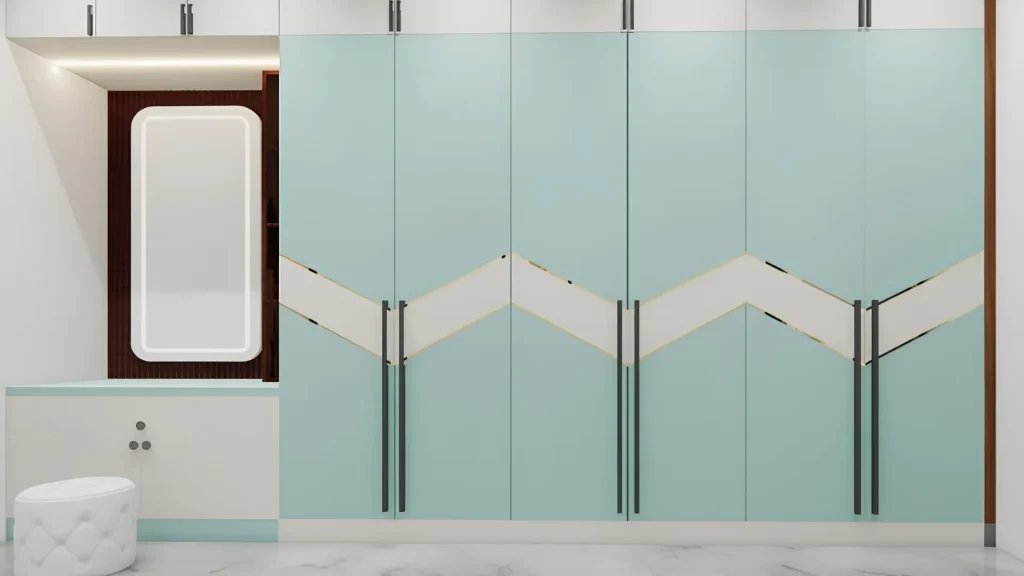
2. Hinged Door Kids Wardrobe

Despite newer alternatives, hinged wardrobes can never go old fashioned. Hinged shutters provide full access to the wardrobe interior at one time. You can organise your child’s clothes, toys, and accessories without breaking a sweat. Because every section becomes visible when the doors open. Hinged designs also allow greater freedom with colours, finishes, and kids wardrobe handles. They are ideal for spacious rooms.

3. Built-In Kids Bedroom Wardrobe

Built-In Kids Bedroom Wardrobe
These are preferred solutions for customised storage. This type of wardrobe design for your kid’s bedroom uses the wall space thoroughly. It can stretch across an entire wall or in a corner. You get full control over choosing the number and kind of compartments based on a child’s storage needs. Many homeowners pick this option during new home construction or major room renovations.

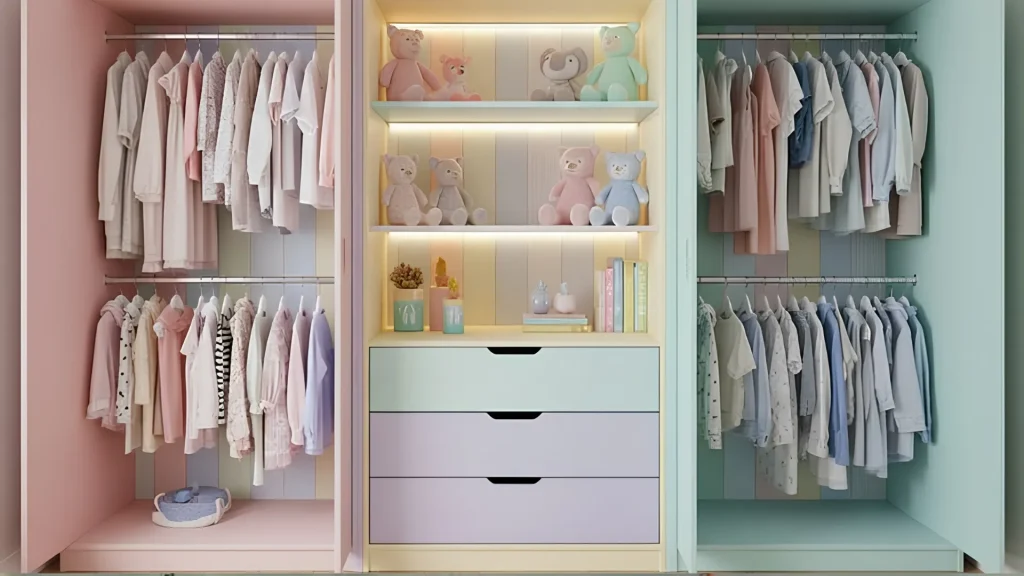
4. Modular Kids Wardrobe Design

Modular is nothing but flexibility. The modular kids wardrobe interior has interchangeable units, adjustable shelves, and custom storage sections. Parents can change the internal arrangement as children grow. This wardrobe type gives long-term value from a single furniture investment because the storage setup can evolve over time.

5. Open Shelf Kids Wardrobe

Open Shelf Kids Wardrobe
Open shelving enables kids to see and access their belongings easily. These kids wardrobe interior is more than adequate for toys, books, activity kits, and regularly used items. You can use labelled baskets and storage bins to keep these sections organised. This setup encourages children to develop basic organisation habits at an early age.

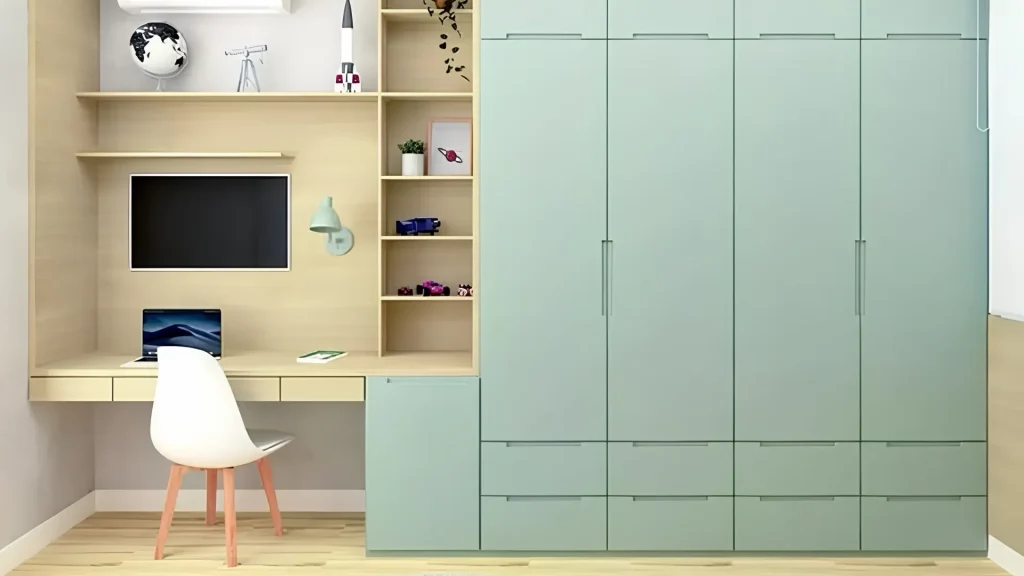
6. Kids Wardrobe with Study Table Design

Kids wardrobe with a study table design have become one of the most searched furniture solutions in recent years. Such furniture is the need of the hour, which serves multiple purposes within a limited space. Attached study tables keep academic essentials close at hand and free up additional space. Some designs feature attached desks, others use fold-out or pull-out study surfaces. This layout performs well for school-going children.

7. Kids Wardrobe with Mirror

Kids Wardrobe with Mirror
A kids wardrobe with a mirror can help make compact rooms look more open. Older children also find it useful when dressing for school or activities. Safety is important, so manufacturers use shatter-resistant mirror panels in children’s furniture.

What are the Latest Kids Wardrobe Trends in 2026?

A lot has changed in the way parents plan children’s rooms. The below-mentioned latest kids wardrobe trends stress less on decorative themes and more on storage solutions. It makes sense today and would do the same a few years down the line.

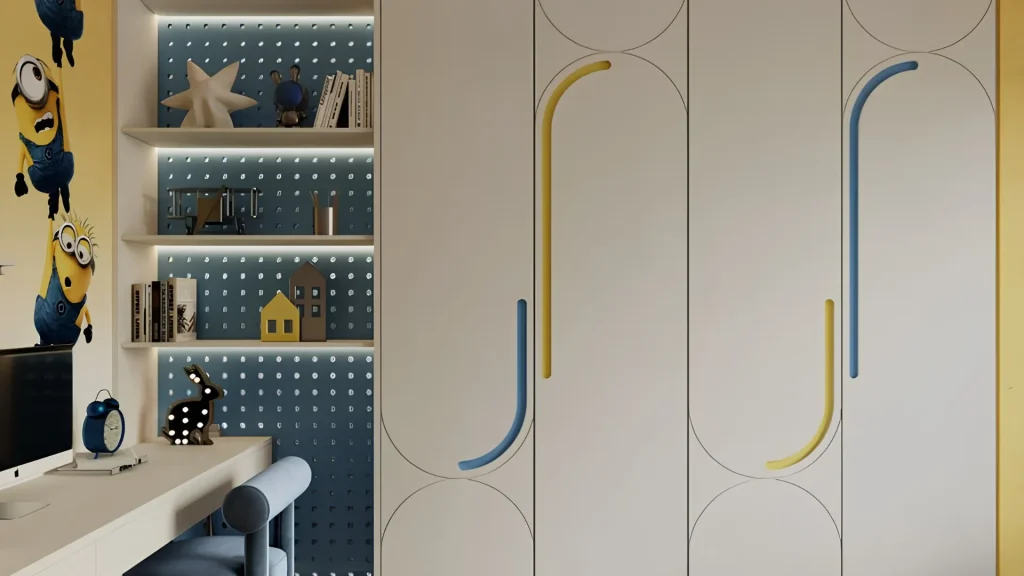
1. Handleless Kids Wardrobe

Handleless Kids Wardrobe
Handleless wardrobes have become a popular choice in modern kids wardrobe design. They replace protruding knobs and pulls that a child can bump into during play. Push-to-open mechanisms and groove profiles keep the surface smooth and simple. This style also works well in compact rooms because it gives the wardrobe a neat ambience. Parents now-a-days prefer to pair handleless shutters with neutral colours. That can suit children across different age groups.

2. Eco-Friendly Materials

More families now pay special attention to the materials used in kids wardrobes. Engineered wood with low-VOC finishes, FSC-certified timber, bamboo panels, and water-based coatings have gained attention in recent years. It is so because these materials release fewer harmful chemicals into indoor spaces. They also align with the growing preference for responsible furniture choices. Eco-friendly materials work particularly well in kids bedroom wardrobes as they spend a good deal of time in their rooms.

3. Modular Storage Systems

Modular Storage Systems
Modular storage systems have secured a top place in 2026 kids wardrobe design trends. Children’s storage needs keep changing. A toddler needs toy bins and open shelves, but a teenager needs hanging space, drawers, and study storage. Modular interior solutions help parents to rearrange shelves, baskets, and compartments as requirements change. This flexibility helps families avoid major furniture replacements every few years.

5. Multi-Functional Furniture

Multifunctional furniture is a major trend for modern home interiors presently. A wardrobe for kids normally stores a study desk, bookshelf, display unit, or toy section. But multi-functional furniture helps in using available space for other stuff lying around. To put it in one line, it reduces the need for multiple standalone furniture pieces inside the room.

4. Hidden Study Zones

Hidden Study Zones
Study areas are now a bare essential part of children’s wardrobe layouts. Designers merge fold-out desks, pull-out study surfaces, and compact workstations into the wardrobe structure. This concept works superbly in urban homes because of their small room sizes. Hidden or flexible study zones hold books and other learning materials in one place. They also help maximise available floor space.

Which are the Best Materials for Your Kids Wardrobe Design?

After considering the lifespan, resistance to moisture and spills, and cost relative to performance, we have sorted the list of the best materials for your child’s wardrobe.

Rank Material Durability Value
1 Plywood Excellent Excellent
2 HDHMR Very Good Excellent
3 Solid Wood Excellent Premium
4 MDF Moderate Good for Designs
5 Particle Board Basic Budget Only

Trending Colour Combinations for Kids Wardrobe Design
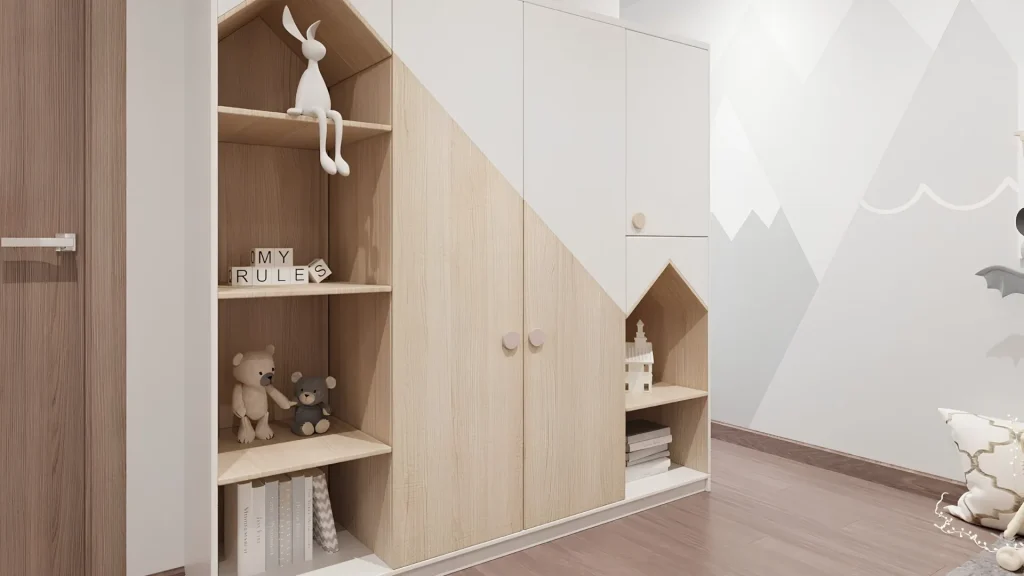
Neutral Scandinavian colour Themes
The colours you pick today can influence how long your kids wardrobe is going to gel with the room’s ambience and their interests. That is why evergreen colour combinations that look relevant for years are highly recommended.

  • White and Wood Finish

White and wood finish is actually the best colour combo for non-specific decor preferences. You can go ahead with it because it does not lock the room into a specific theme. White surfaces don’t let the wardrobe go over the top, and the wood texture is there anyway for a natural touch. It is a go-to combination for a kids bedroom wardrobe.

  • Mint Green and Beige

Mint green and beige have gained some real attention among parents who are looking for softer primary colours. What happens is that mint green introduces colour into the room, but beige balances it. These two go hand-in-hand. You can use this combo for a kids wardrobe to expand the visual appearance in smaller bedrooms.

  • Blue and Oak

Blue and oak continue to rank among the most preferred combinations for a wardrobe for kids. Oak textures bring a natural element, and blue introduces personality into the furniture. Lighter blues suit younger children, whereas deeper shades fit older age groups. Many modern homes now use it in gender-neutral rooms as well. It also matches a kids wardrobe with a study table design and wooden furniture pieces.

  • Neutral Scandinavian Themes

Neutral Scandinavian colour schemes emphasise shades like white, beige, light grey, sand, and pale wood. They are the closest to white and wooden finish options. This colour combo complements modular storage units, reading corners, and study setups. Homeowners prefer these colour palettes as they do not rely on temporary themes.

  • Matte Finish Wardrobes
Parents appreciate matte finishes because fingerprints don’t make much difference on glossy surfaces. Matte laminates coordinate with so many colour combinations, like white, beige, blue, sage green, and wood finishes. Matte finishes are a common choice for families who are planning a long-term furniture investment.

Safety Measures Before You Select Your Child’s Wardrobe Design

It is good to make kids responsible and encourage them to do things on their own. However, as parents, safety should remain a key consideration in every kids wardrobe design. 

  • Soft-close Drawers

Soft-close drawers keep your child safe from sudden slamming. So they lower the risk of pinched fingers. And needless to say, they also minimise wear on drawer channels and hardware.

  • Rounded Edges

Rounded corners help protect children from bumps and injuries during play. This feature is particularly useful in compact bedrooms where movement is frequent.

  • Anti-tip Fittings

Anti-tip fittings secure the wardrobe to the wall by preventing it from tipping forward. They add an extra layer of protection when children climb or pull on open drawers.

  • Child-safe Handles

You should choose smooth, easy-grip handles with no sharp projections. Recessed or rounded handle designs help reduce accidental knocks and scratches.

  • Low VOC Finishes
Low VOC finishes release fewer chemical emissions into indoor air. They contribute to a healthier bedroom environment, especially for young children who spend long hours indoors.

How to Add Storage for a Small Kids Room Design?

Small rooms are vulnerable to running out of storage space anytime soon. That’s all the more reason to switch to a few smart layout decisions. The following options can help you deal with this problem.

  • Sliding Wardrobes

A sliding wardrobe is an obvious solution for restricted space. You can also merge sliding shutters with your kids wardrobe design with drawers and internal organisers. It is to make better use of the available storage area.

  • Corner Wardrobes

A corner lying unused in your kid’s bedroom has the potential to provide space for a wardrobe for your kid. Interior designers use L-shaped layouts or angled units for corner wardrobe designs. Now, the main wall is completely free for a study table, bookshelf, or play area.

  • Vertical Storage Units

Many modular kids wardrobe designs now follow this principle. Vertical storage units utilise the full height of the room. You can store seasonal clothes, spare bedding, travel bags, and less-used items in upper shelves. Lower sections can hold daily essentials, and it will be within a child’s reach. 

  • Mirror Wardrobes for Visual Space

A kids wardrobe with a mirror is one of the tricks to make a small bedroom look less confined. The reflective surface spreads light across the room. Parents with older children also find mirrors useful for school preparation and other daily routines. Shatter-resistant mirror panels are best for children’s rooms for safety concerns. And there is additional advice that a mirror works best with simple wardrobe finishes. Busy patterns make it all look chaotic.

  • Overhead Storage Cabinets
Children outgrow clothes, toys, books, and school supplies quite fast. As a result, storage requirements increase every year. In such a case, you should use overhead storage cabinets to help manage this growth by reserving space for items. The main wardrobe sections are left with much more space for regular items.

Helpful Tips for the Interior of Kids Wardrobe Design

A wardrobe can sure look spacious on the outside, but the real difference comes from what sits inside. To get a kid-friendly arrangement, you should try to pay attention to the following tips.

How Many Shelves are Ideal?

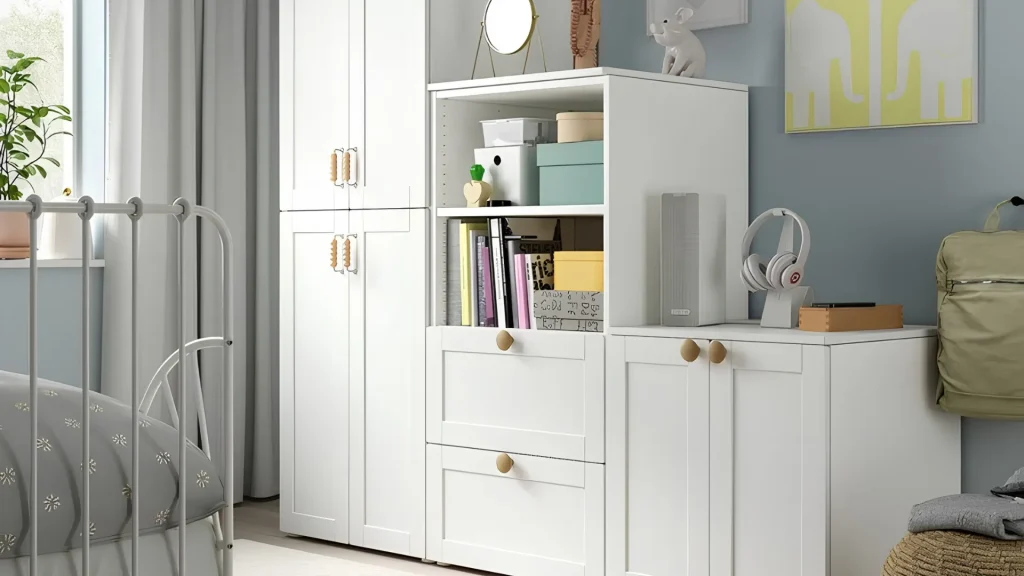
You should decide the number of shelves on the grounds of the child’s age and storage needs. Most kids wardrobe designs are more than sufficient with four to six shelves. Too few shelves can waste storage potential, and too many can leave very little space for larger items. To overcome this confusion, parents can use adjustable shelves because you can change the layout as storage needs change.

Hanging Sections vs Folding Sections

Parents concentrate only on shelf space and put aside the gravity of hanging storage. A balanced wardrobe for kids should have dedicated areas for hanging and folding. School uniforms, dresses, and jackets are better on hanging rods because this way they stay neat and ready to wear. Folded storage is better for T-shirts, nightwear, sweaters, shorts, and everyday clothing. A common recommendation for your kids wardrobe will be to divide roughly one-third of the storage to hanging clothes and the rest of the area for shelves and drawers.

Best Wardrobe Dimension for Kids

Wardrobe depth affects storage capacity. A depth of 22 to 24 inches generally works best for a kids room wardrobe. This size can carry standard clothes hangers and leaves enough room for folded garments. Shallower wardrobes can make hanging storage difficult. And deeper wardrobes push belongings too far back. Parents should also consider drawer movement when finalising dimensions. A decent-sized wardrobe makes daily organisation much easier.

How to Organise School Essentials?

School-related items can take over a wardrobe if they do not have designated sections. The simplest way is to group items according to daily use. School uniforms should sit near the hanging section. Books and notebooks should occupy one dedicated shelf. Bags can go on hooks or in a separate compartment. Stationery, art supplies, and smaller accessories can be placed inside labelled drawers or storage boxes. You can keep school items close to the study area in a kids wardrobe with a study table design. It saves time during rush hours in the morning and also helps children develop better organisational habits.

What is the Average Cost of a kids wardrobe in Delhi NCR?

A rough idea of the current pricing of kids wardrobe can help you compare options. And you can decide where it makes sense to spend and where you can save. Material quality, wardrobe size, internal storage features, and customisation can all have a strong impact on the final cost.
Wardrobe Type Approx. Price Range
Basic MDF Kids Wardrobe (Engineered Wood/MDF) ₹20,000 – ₹45,000
Sliding Kids Wardrobe ₹45,000 – ₹1,20,000
Kids Wardrobe with Study Table ₹50,000 – ₹1,50,000+
Modular Kids Wardrobe ₹60,000 – ₹2,00,000+
Solid Wood Kids Wardrobe ₹70,000 – ₹2,50,000+

A few important notes for you:

  • Material selection has the biggest impact on pricing. Plywood wardrobes cost more than MDF or particle board options.
  • Features like mirrors, loft storage, internal drawers, study tables, pull-out accessories, and branded hardware can increase the budget significantly.
  • Custom-made wardrobes do cost more than the ready-made ones.
  • For interior solutions, ₹40,000 – ₹1.5 lakh+ is a more credible starting range for a customised kids wardrobe.

Common Mistakes to Avoid While Choosing Wardrobe for Your Kids

You look for a wardrobe for your kids with the intention of interior solutions. But a few small oversights can have a snowball effect later. Taking note of these common mistakes can help you invest in a wardrobe that serves your child well for years instead of just the present.

  • Parents tend to ignore future storage needs or completely forget about them in the first place. Later, it becomes the reason for growing storage problems.
  • They use adult-height shelves, and then children depend on their parents for reaching simple daily items.
  • If a wardrobe is overdesigned with cartoon themes, later after a few years, parents face the cost of redesigning or replacing furniture. 
  • Poor lighting inside wardrobes makes it difficult to locate clothes, accessories, and school essentials. Then, children become frustrated.
  • They start by planning around clothing storage, and then regret not planning study space from the beginning.
  • Wrong material selection results in sagging shelves, swollen panels, and loose fittings. It only makes repairs costlier.

Why Choose Opalspace for Kids Wardrobe Design?

Your kid’s wardrobe is just as important as any other furniture in your home. It is a system which works for both the child and the parent. Opalspace delivers futuristic, modular wardrobes interior services built for real use within your budget. Because a child who can reach for their own clothes and organise their own space is the architect of their future. We build those small freedoms to make them feel responsible and capable.

FAQs

1. What is the best wardrobe design for a kid's bedroom?

The best wardrobe design for a kid's bedroom uses available wall space efficiently and includes shelves, drawers, and hanging sections. Built-in and sliding wardrobes work particularly well in compact rooms.

2. What should a kids wardrobe design for girls include?

A kids wardrobe design for girls should include adjustable shelves, drawers for accessories, and space for dresses or longer garments. Neutral layouts can also accommodate changing interests as children grow.

3. What should a kids wardrobe design for boys include?

A kids wardrobe design for boys should provide storage for clothes, school supplies, sports gear, and toys. Modular sections make it easier to reorganise the wardrobe as storage needs change.

4. What is the ideal depth for a kids wardrobe?

A depth of 22 to 24 inches works well for most kids wardrobes. It provides enough room for standard hangers, folded clothes, and internal storage accessories.

5. Is a kids wardrobe with a study table a good idea?

Yes, a kids wardrobe with a study table is a practical solution for smaller rooms. It combines storage and study space in one unit and frees up more floor area for other activities.

6. How about a kid’s wooden wardrobe design?

Yes, kid’s wooden wardrobe is the most trusted choice for long-term use. Wooden material and texture can adapt to any theme around. Plywood wardrobes lead the market because they balance strength and cost. Budget conscious homeowners can pick engineered wood options. They provide a wide range of surface finishes.

Leave a Reply

Your email address will not be published. Required fields are marked *

Opalspace-logo.png
We transform your dream homes into beautifully and intelligently designed realities.

Our Gallery

Contact Info