Table of Contents
Indian urban homes have changed rapidly in recent years. Apartments are getting compact. Families now need better storage, organised layouts, and practical furniture for daily routines. Traditional setups struggle to support modern living needs in metro cities.
That is why modular interiors have become a major part of modern interiors in India. Homeowners now prefer organised spaces, cleaner layouts, and faster interior solutions. Kitchens, wardrobes, TV units, and study areas now follow modular planning in many homes.
Modern interiors are no longer limited to appearance alone. People want interiors that support work, storage, relaxation, and everyday convenience together. Modular interiors solve these problems with smart planning and organised furniture systems.
That is why modular interiors have become a major part of modern interiors in India. Homeowners now prefer organised spaces, cleaner layouts, and faster interior solutions. Kitchens, wardrobes, TV units, and study areas now follow modular planning in many homes.
Modern interiors are no longer limited to appearance alone. People want interiors that support work, storage, relaxation, and everyday convenience together. Modular interiors solve these problems with smart planning and organised furniture systems.
What Are Modular Interiors?
Modular interiors use factory-made furniture units built for different parts of a home. These units fit modern apartments and support better space planning. Most modular setups come ready for installation and require less on-site work.
Modern interiors now use modular systems for kitchens, wardrobes, storage cabinets, TV units, and study tables. Every section serves a specific purpose and improves home organisation.
Understanding Modular Interior Design
Modular interior design focuses on practical layouts and efficient storage. Every cabinet, shelf, or drawer fits into a planned structure. This method improves storage usage and keeps rooms organised.
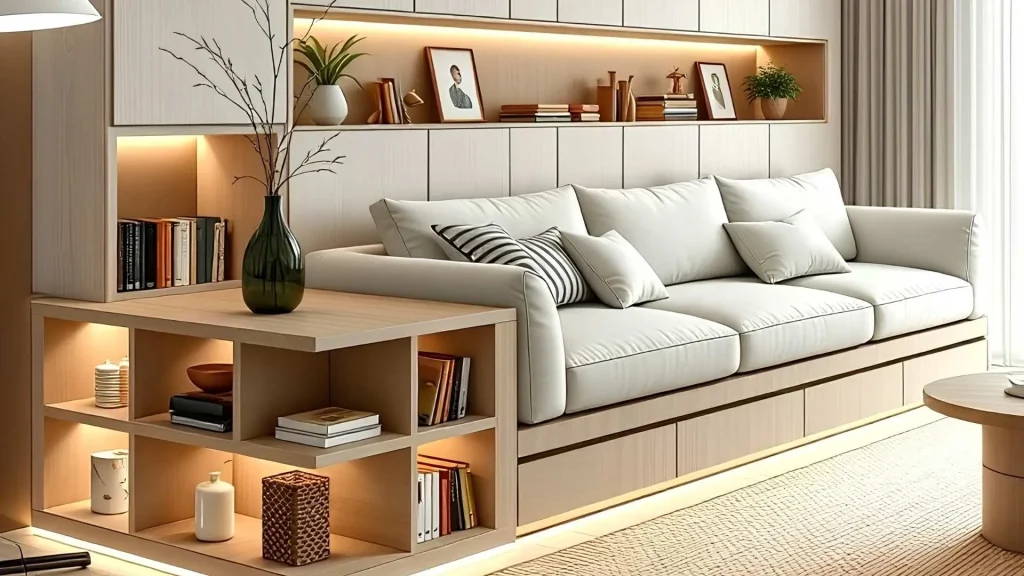
Modular interiors help small apartments use space more accurately with organised storage and the best furniture layouts. Modular interiors help homeowners use corners, vertical spaces, and hidden storage more efficiently.
How are Modular Interiors Different from Traditional Interiors?
Here’s a simple comparison to understand both modular and traditional better:
| Feature | Modular Interiors | Traditional Interiors |
|---|---|---|
| Installation | Faster | Slower |
| Storage | Smart & Organised | Basic |
| Maintenance | Easier | More Work |
| Space Usage | Better for apartments | Takes more space |
| Flexibility | Easy Upgrades | Difficult changes |
| Finish | Clean & Modern | Depends on workmanship |
Why Modular Interiors Are the Future of Modern Homes
Modern Indian homes now need a layouts that can save space, have better storage, faster installation, and practical interiors for everyday living.
Growing Need for Space-Saving Solutions
Modern apartments require smart storage planning. Families need room for clothes, appliances, documents, kitchen supplies, and daily essentials.
Modular interiors improve storage through:
Modular interiors improve storage through:
- Pull-out cabinets
- Vertical shelves
- Loft storage
- Corner units
- Under-bed storage
Changing Lifestyle of Urban Families
Urban lifestyles have changed home requirements completely. Many people now work remotely or follow hybrid work schedules. Homes must support workspaces along with regular family activities.
Modern interiors now include:
Modern interiors now include:
- Compact study areas
- Foldable desks
- Storage-friendly layouts
- Multi-purpose furniture
Rise of Apartment and Compact Living
2BHK and 3BHK apartments now dominate metro cities like Delhi NCR, Mumbai, Bengaluru, and Pune. Limited floor areas require better planning.
Modular interiors improve room layouts and support efficient movement inside smaller homes. Compact furniture systems also reduce unnecessary space usage.
Key Features of Modern Modular Interiors
Modern interiors focus on organised layouts, practical furniture, and low-maintenance materials. Homeowners now prefer interiors that simplify daily living.
1. Smart Storage Designs
Storage planning plays a major role in modular interiors. Every room uses storage differently, so layouts require proper planning.
Popular smart storage solutions include:
Popular smart storage solutions include:
- Pull-out kitchen drawers
- Sliding wardrobes
- Hidden cabinets
- Floating shelves
- Vertical storage systems
2. Customised Furniture and Layouts
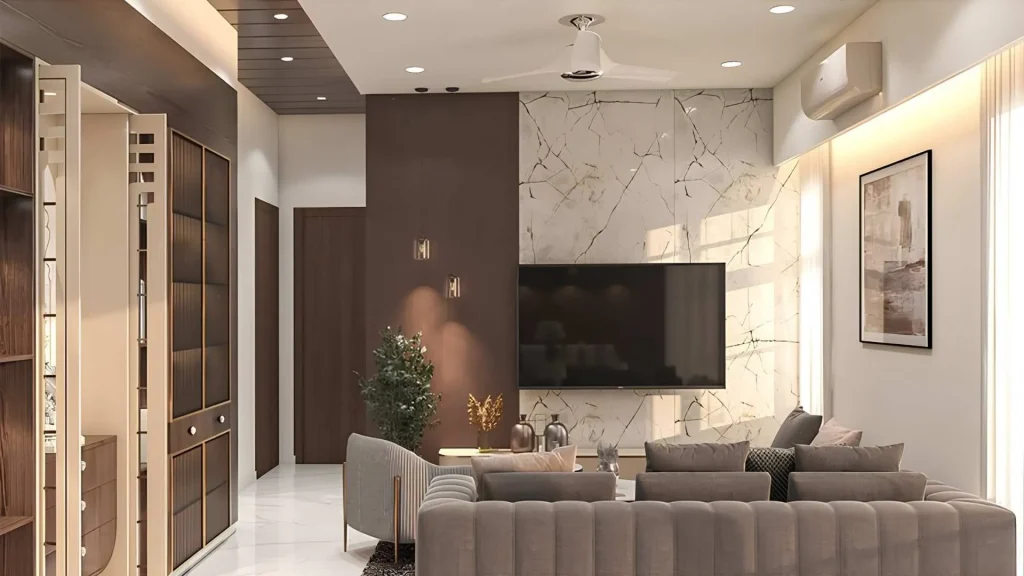
Every apartment has different dimensions and layouts. Modular interiors support room-specific furniture planning.
Examples include:
- L-shaped kitchens
- Compact wardrobes
- Wall-mounted TV units
- Foldable dining tables
- Study corners
3. Easy Installation and Maintenance
Traditional interiors may continue for months during renovation work. Modular interiors reduce project timelines significantly.
Factory-made units arrive ready for installation. This process reduces on-site cutting and repair work. Cleaning also becomes simpler due to smooth finishes and organised surfaces.
Factory-made units arrive ready for installation. This process reduces on-site cutting and repair work. Cleaning also becomes simpler due to smooth finishes and organised surfaces.
4. Modern Aesthetics and Clean Finishes
Modern interiors now prefer cleaner layouts and minimal detailing. Heavy furniture designs are becoming less common in urban homes.
Popular design preferences include:
Popular design preferences include:
- Neutral colour palettes
- Matte laminates
- Handleless cabinets
- Floating furniture units
- Simple layouts

Benefits of Modular Interiors for Indian Homes
Modular interiors improve daily living through organised storage and better planning. Modern families now prefer practical interiors that simplify home management.
Better Space Utilisation
Compact homes need efficient storage planning. Modular interiors improve the usage of every corner and vertical section.
Benefits include:
Benefits include:
- Better wardrobe organisation
- More kitchen storage
- Improved room movement
- Reduced unused spaces
Faster Project Completion
Factory production speeds up the installation process. Traditional carpentry requires more manual work and longer timelines.
Modular interiors reduce:
Modular interiors reduce:
- Construction delays
- Dust during installation
- Repair work
- Labour dependency
Budget-Friendly Long-Term Solution
Modular interiors support long-term usage through durable materials and organised construction methods.
Homeowners benefit through:
Homeowners benefit through:
- Lower maintenance costs
- Durable hardware systems
- Better storage value
- Easy repair options
Flexibility for Future Changes
Home requirements change over time. Families may need additional storage or furniture upgrades later.
Modular interiors simplify:
Modular interiors simplify:
- Furniture replacement
- Storage expansion
- Layout improvements
- Hardware upgrades
Important Areas Where Modular Interiors Work Best
Almost every room in modern homes now uses modular planning. Some spaces benefit more because of heavy storage usage.
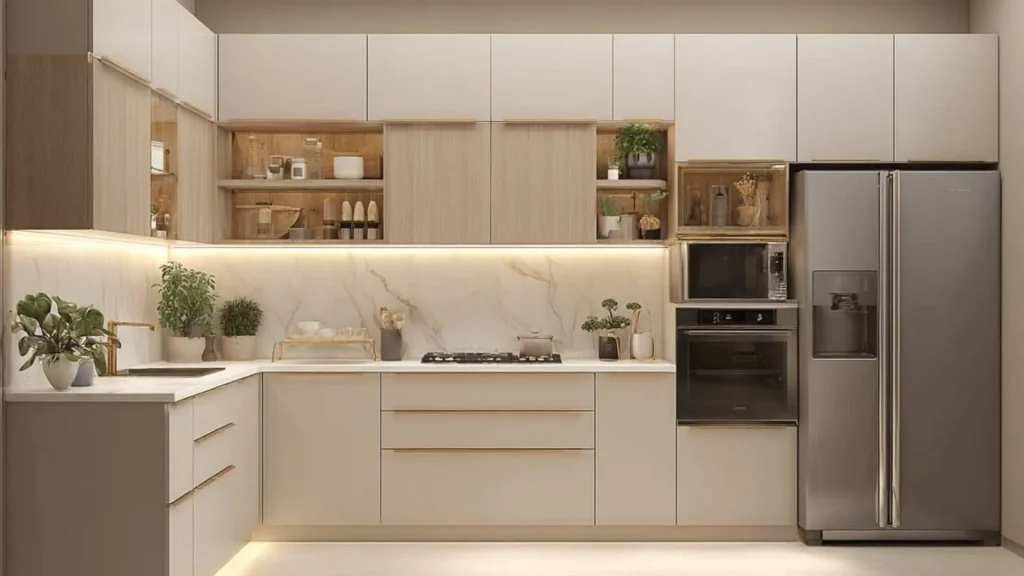
1. Modular Kitchens
Modern Kitchen interiors require maximum organisation in a limited space. Appliances, utensils, groceries, and cookware need proper storage planning.
Modern modular kitchens include:
Modern modular kitchens include:
- Tall pantry units
- Drawer systems
- Corner storage
- Built-in appliance sections
- Chimney integration
2. Wardrobes and Bedroom Storage
Bedrooms need organised storage for clothes, accessories, documents, and seasonal items.
Popular custom wardrobe design features include:
Popular custom wardrobe design features include:
- Sliding doors
- Loft storage
- Internal organisers
- Pull-out accessory
3. Living Room TV Units and Storage
Living rooms now combine entertainment, storage, and display sections together.
Modern TV units include:
Modern TV units include:
- Floating cabinets
- Hidden storage
- Display shelves
- Cable management systems
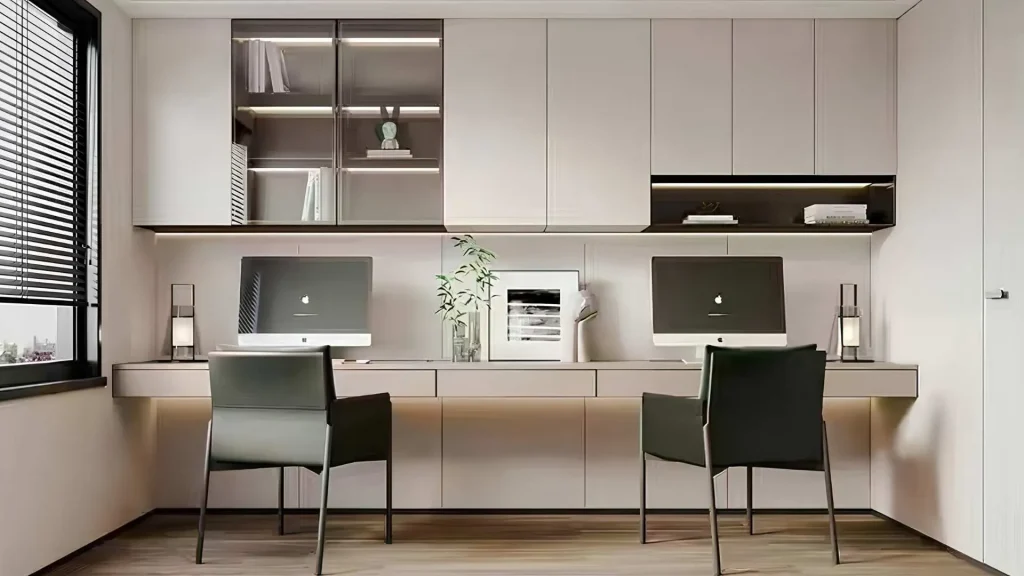
4. Study and Work-From-Home Spaces
Remote work increased demand for compact study areas. Many apartments now include dedicated work corners.
Modular study setups are used:
Modular study setups are used:
- Foldable desks
- Wall shelves
- Compact storage
- Organised cable sections
Modular Interiors for Small Apartments
Compact apartments need careful planning. Random furniture placement reduces available space quickly. Modular interiors improve organisation and movement through planned layouts.<
Space Planning for Compact Homes
Good planning helps homeowners to use limited floor space more effectively.
Important planning ideas include:
Important planning ideas include:
- Open layouts
- Wall-mounted furniture
- Vertical storage
- Multi-purpose furniture
Multi-Functional Furniture Ideas
Modern interiors now include furniture that serves multiple purposes and reduces unnecessary space usage.
Examples include:
Examples include:
- Sofa-cum-beds
- Storage ottomans
- Foldable dining tables
- Convertible study desks
Latest Modular Interior Trends in Indian Homes
Modern interiors continue evolving with apartment living and urban routines. Here are some modular interiors trends that many homeowners prefer in urban areas:
1. Minimalist Interior Design
Minimal layouts continue growing in popularity. Homeowners now prefer organised spaces with simple furniture arrangements.
This trend focuses on:
This trend focuses on:
- Clean surfaces
- Open layouts
- Less decorative furniture
- Organised storage
2. Neutral Colour Palettes
Neutral shades help compact homes look brighter and more organised.
Popular combinations include:
Popular combinations include:
- White and wood
- Beige and grey
- Matte black accents
- Soft pastel combinations
3. Smart and Functional Furniture
Technology now plays a bigger role in modern interiors.
Trending Modular furniture ideas include:
Trending Modular furniture ideas include:
- Charging stations
- Smart lighting systems
- Foldable furniture
- Space-saving storage systems
4. Sustainable Interior Materials
Many homeowners now prefer durable and low-maintenance materials.
Popular options include:
Popular options include:
- Engineered wood
- Eco-friendly laminates
- Durable surface finishes
- Recyclable materials
Things to Consider Before Choosing Modular Interiors
Good planning improves final interior results. Homeowners should focus on storage needs, material quality, and room layouts before starting work.
- Budget and Material Selection
- Storage Requirements
- Quality of Hardware and Finishes
Why Modular Interiors Are the Smart Choice for Modern Urban Homes
Modular interiors have completely changed modern Indian urban homes. Smart storage, organised layouts, and practical furniture systems now better support compact apartments and busy urban lifestyles. Homeowners want interiors that simplify daily routines and improve space planning across every room.
How can Opalspace Modularize Your Dream Home?
At Opalspace, homeowners can explore modular interiors along with complete home interior solutions for apartments, villas, and modern urban homes. The team also works on living room interiors, bedroom interiors, modular kitchens, wardrobe designs, false ceilings, and space-planning solutions designed for modern Indian lifestyles.
FAQs
What are modular interiors?
Modular interiors use factory-made furniture units designed for modern homes. These units improve storage planning, save space, and keep rooms more organised. Many homeowners now prefer modular setups for kitchens, wardrobes, and living room units.
Why are modular interiors popular in India?
Indian apartments are becoming more compact, especially in metro cities. Modular interiors help homeowners use available space more efficiently through smart storage and practical layouts. Faster installation and cleaner finishing also increased their popularity.
Which rooms work best with modular interiors?
Modular interiors work well in kitchens, bedrooms, living rooms, study areas, and utility spaces. These rooms need proper storage and organised layouts for daily use. Modular furniture helps manage space more efficiently in all these areas.
Are modular interiors suitable for small apartments?
Yes. Modular interiors help compact apartments look more organised and spacious. Smart storage units, wall-mounted furniture, and space-saving layouts improve movement inside smaller homes. They also reduce unnecessary furniture usage.
How long do modular interiors last?
Good-quality modular interiors can last many years with regular maintenance and proper material selection. Durability mainly depends on hardware quality, moisture protection, and daily usage. Proper cleaning also helps maintain the finish longer.