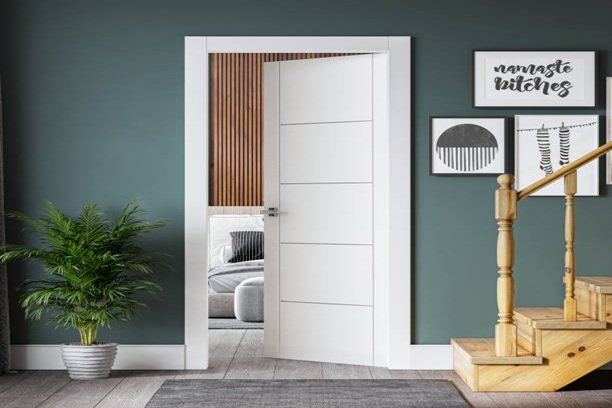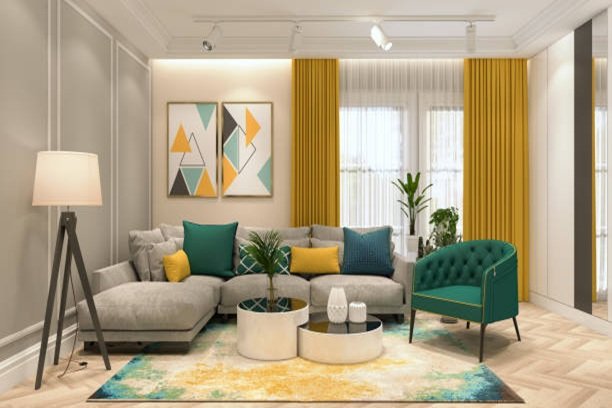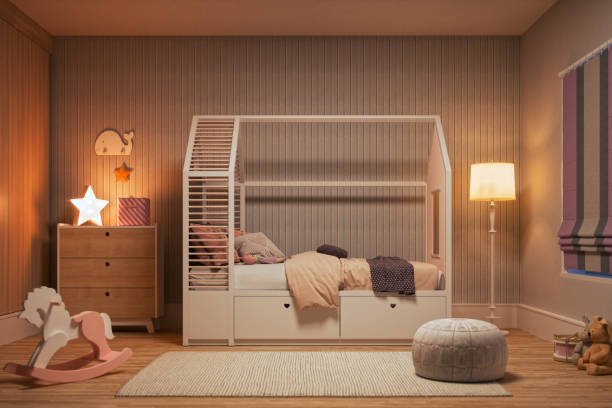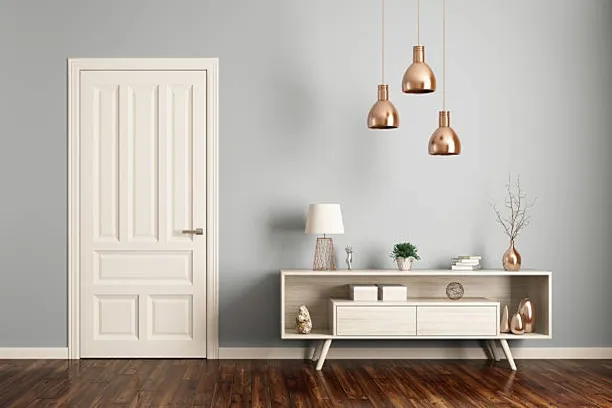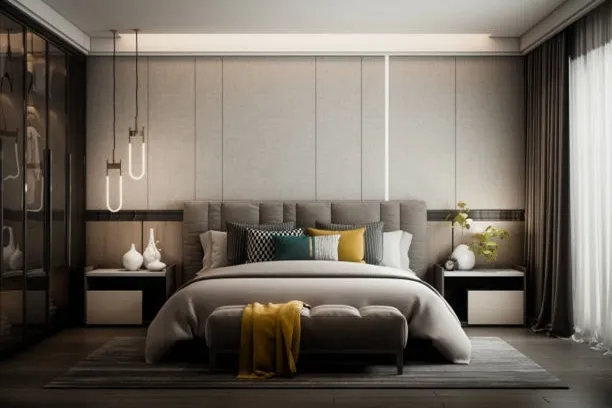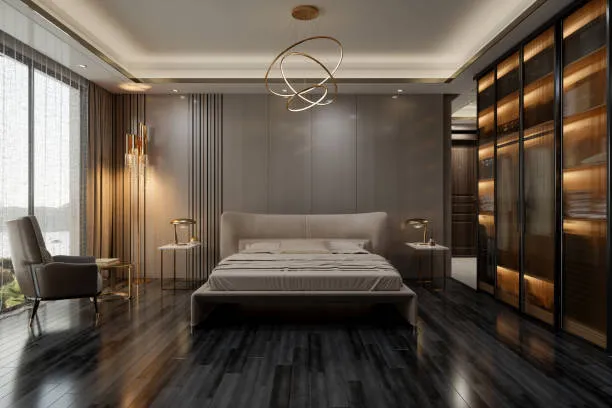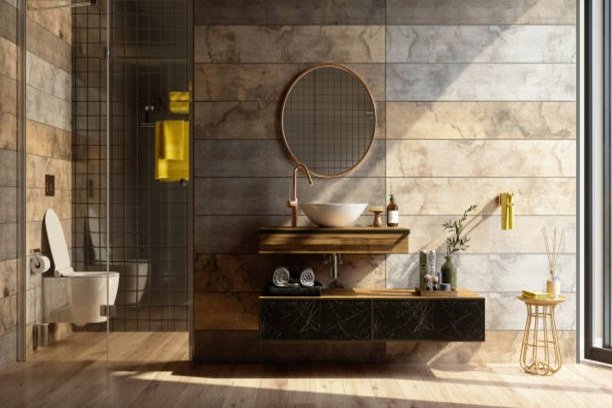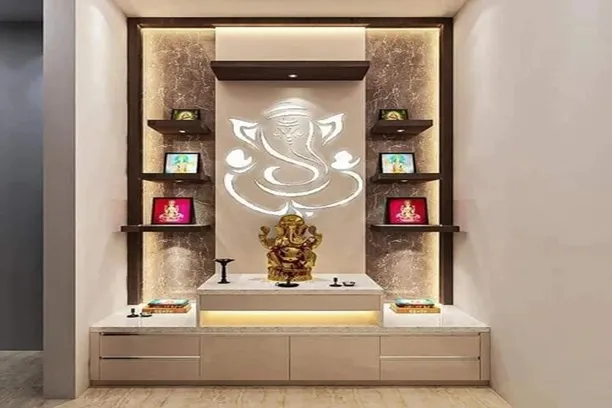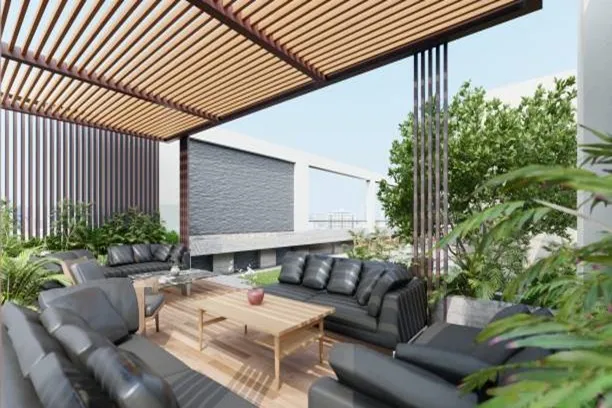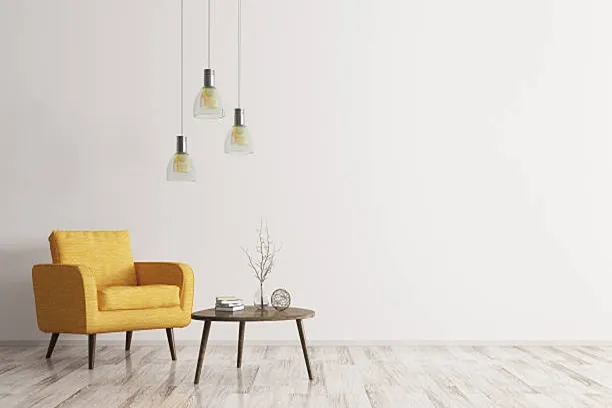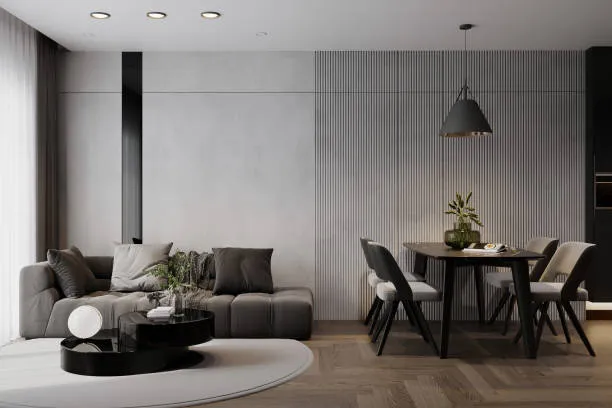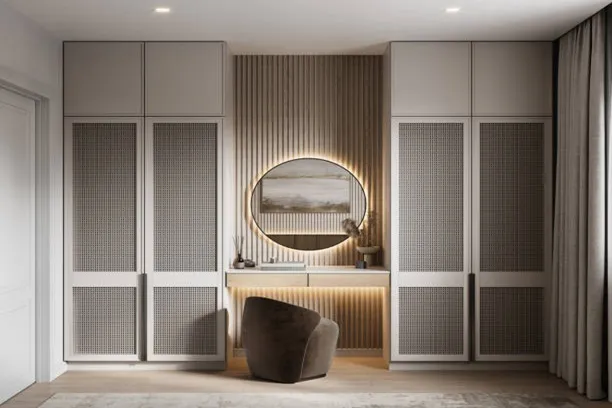
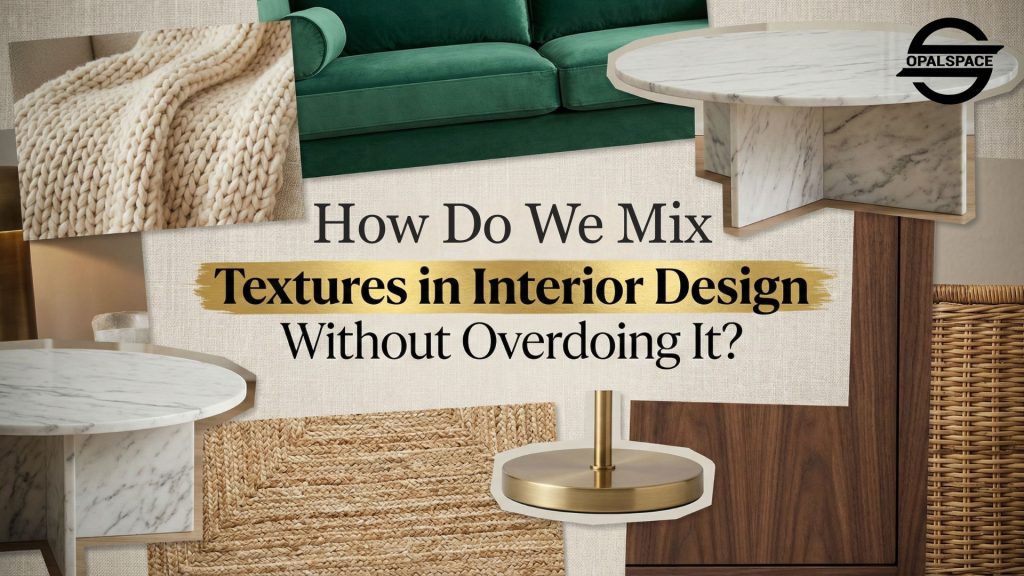
In this blog, I’ll talk about how walls, furniture, and textiles, and how soft, hard, and natural textures can work together to create depth, warmth, and personality, even in the tiniest rooms.
Table of Contents
When you design a living room, you tend to think of colours and furniture. But what we do is we forget about the furniture. Instead, by artfully mixing textures in interior design, you can create a space that is layered, inviting, and which also has visual interest. If you are going for a minimal look or a bold eclectic style, what matters is what really makes it come to life.
Also, the issue we have is that when you don’t have a lot of space, each design decision is a big deal. One wrong choice and the room can go from put together to too crowded. What we tell people is you don’t need more space to play with texture. What you need is to be a little more smart about how you use them.
Also, the issue we have is that when you don’t have a lot of space, each design decision is a big deal. One wrong choice and the room can go from put together to too crowded. What we tell people is you don’t need more space to play with texture. What you need is to be a little more smart about how you use them.
Why Do Textures Matter So Much in Interior Design of a Hall?
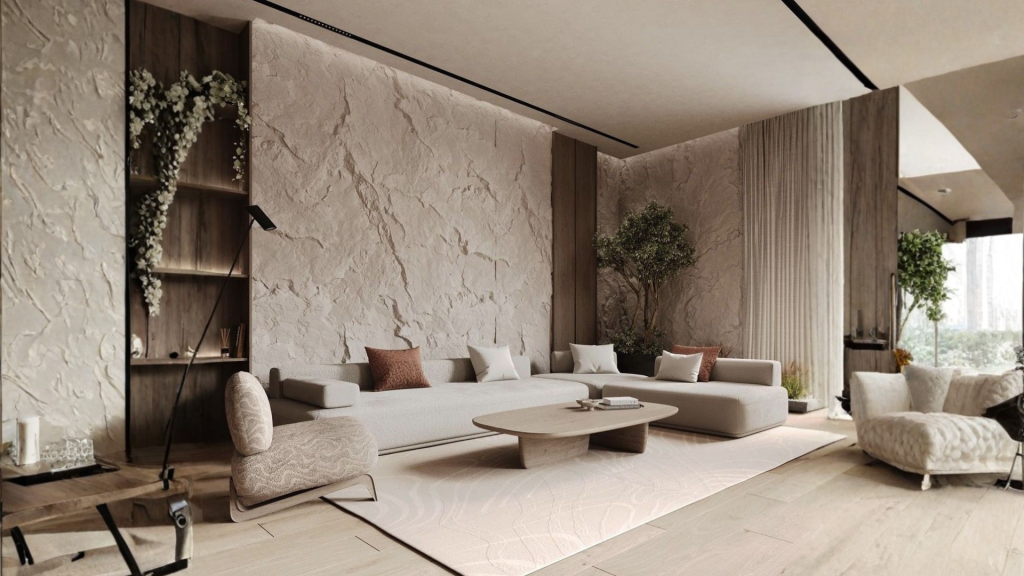
- Texture in interior design adds depth and dimension, creates atmosphere and mood, and evokes emotional connections. A well-textured hall feels more comfortable, inviting, and personalized.
- Soft textures like velvet and wool create a comfortable, intimate vibe. Harder textures like stone, concrete, or metal give a room a formal, modern, or industrial feel.
- Textures like marble or polished wood reflect light, balance light and colour, makes a hall appear larger and more open.
- Textures such as a feature wall, a heavily carved piece of furniture, or unique art define focal points in the room.
What Are the Main Types of Textures You Should Know About?
Okay, before we jump into mixing textures, let’s break them down into three easy categories. Knowing these will make everything feel way less confusing.
1. Soft Textures
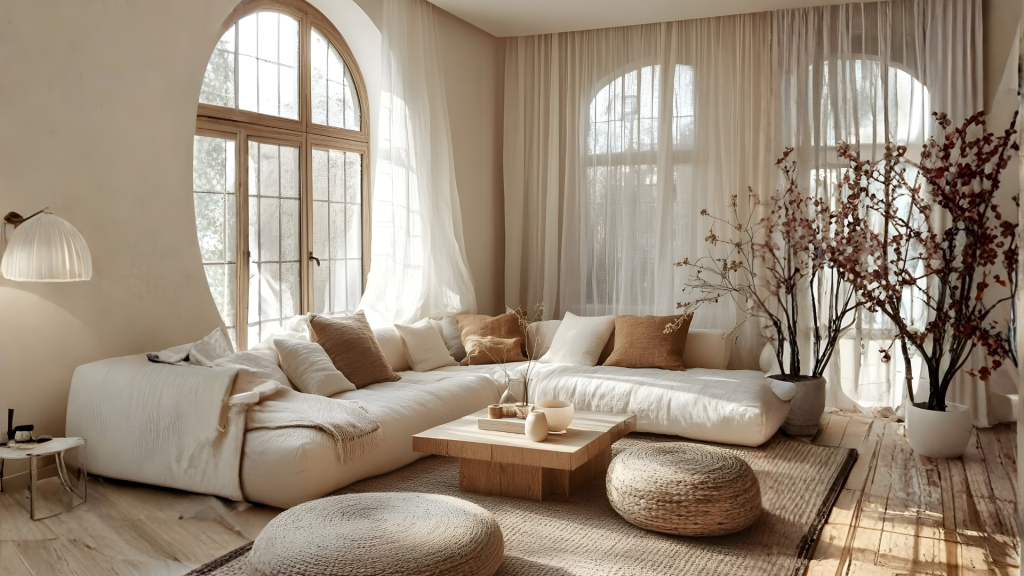
- Soft textures are all about comfort. Think about that velvet cushion you always reach for, or the blanket you grab the second the AC gets too cold, that’s texture doing its job. Even a plush sofa counts.
- In a small space, adding even just a little bit of softness makes a huge difference. It stops a room from feeling cold or too stiff, especially if you have hard floors or a simple, modern look.
- So, with these things, a room can feel a bit empty. But with a couple of good ones, it suddenly feels warm and inviting.
2. Hard Textures
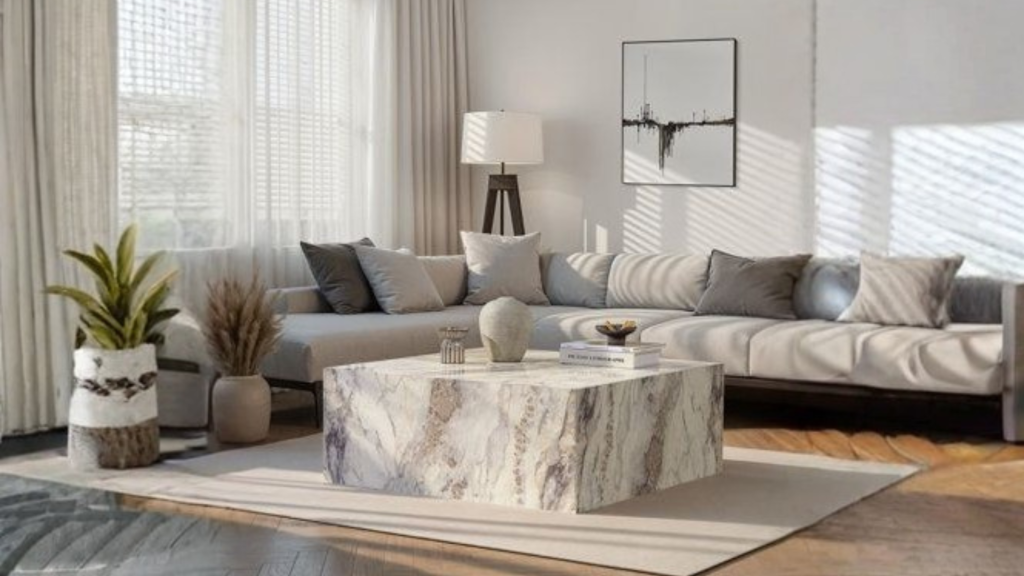
- You know all that soft, cozy stuff we just talked about? Hard textures are their perfect partner. They keep a room from looking too soft or sloppy and make everything look more polished.
- Things like a shiny marble table, a sleek metal lamp, or a smooth glass vase. In a small hall, these materials bounce light around and add a touch of elegance.
- But you don’t need a lot. A single glass coffee table or a metal side table can be all you need to anchor the room. The trick is to pair them with your soft textures.
3. Natural Textures
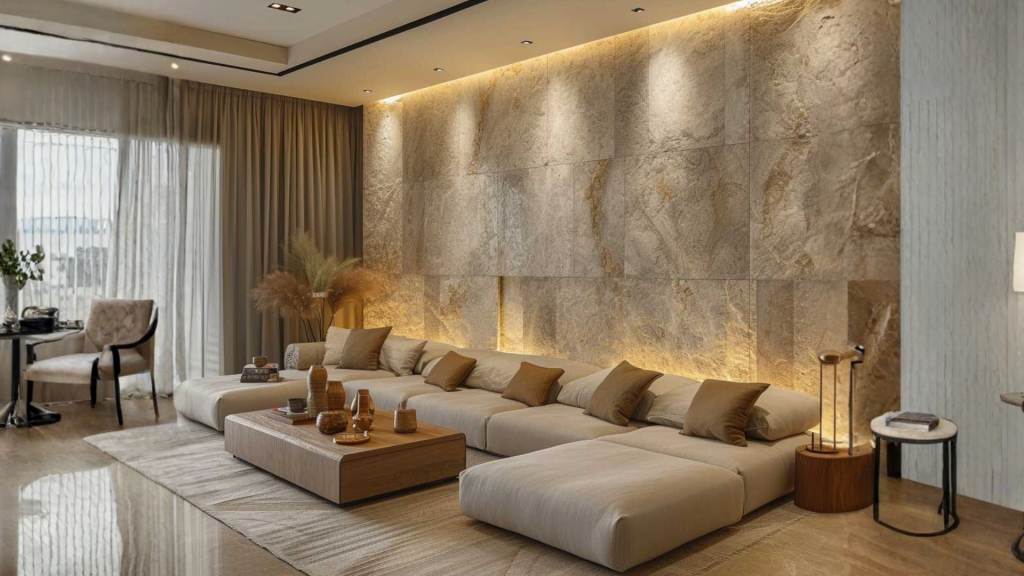
- Now consider the last type. We see that natural textures bring life and warmth to a hall without overdoing it. Think of a wooden coffee table, a leather chair, a woven basket. Also, a simple jute rug or a lamp with a rattan shade does the trick. What they do is they make a modern or simple room feel very lived in and more down-to-earth.
- In a small living room, even just one natural element like a solid wood shelf or a woven tray can change the space to be at once calmer and more inviting.
How Do You Start Mixing Textures Without Making the Space Feel Busy?
So now, how do we actually mix them in a small space without making the main hall crowded? It’s easier than you think. Just follow a few simple rules, and your cozy room will feel amazing.
1. Keep your foundation calm
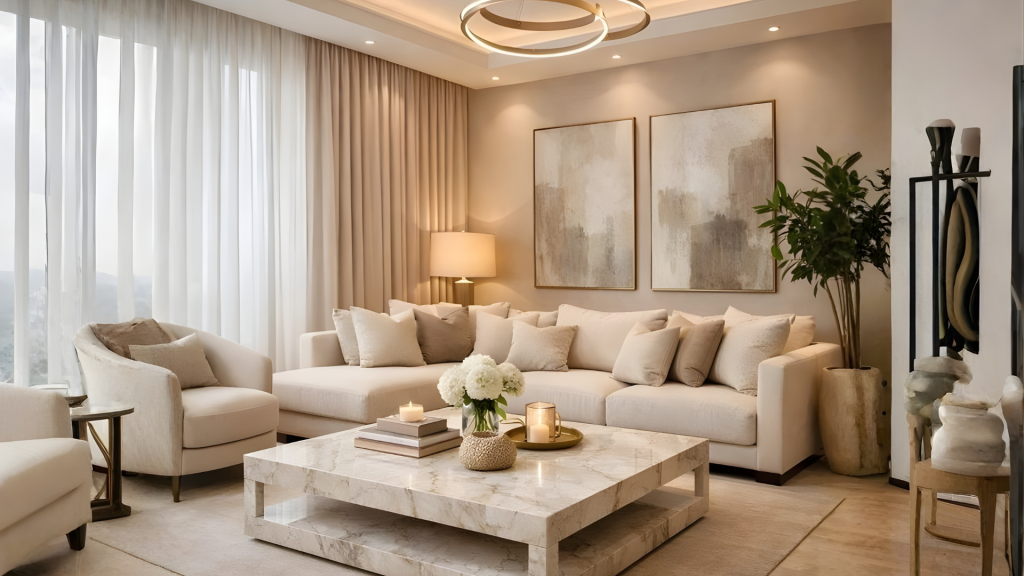
My go-to advice? Start with a neutral base. It makes everything else easier. Like a soft grey sofa, warm white walls, or a simple jute rug. Trust me on this one this isn’t boring. It’s about being smart. A quiet backdrop lets every textural choice you make afterward really stand out. That beautiful velvet pillow or that sculptural wooden side table? They become the stars of the show.
2. Create balance through contrast
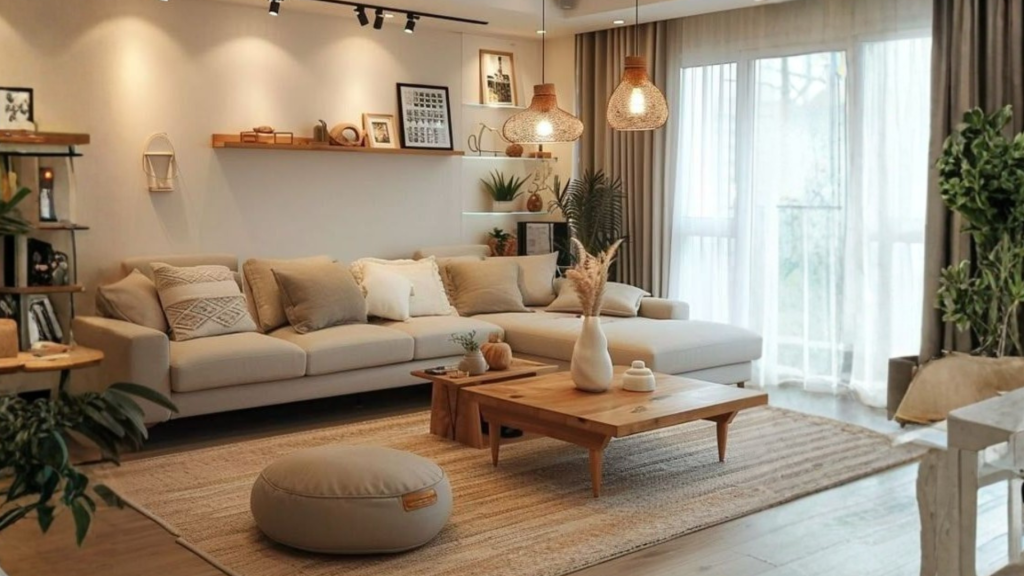
This is where the magic happens. Intentionally pair textures that are opposites. Try a smooth leather chair with a nubby wool throw. Place a sleek metal lamp on a rustic wooden table. This mix of hard and soft, shiny and matte, is what gives a room its sophisticated, collected-over-time feeling. It keeps the space from falling flat.
3. Build Coziness with Layered Fabric
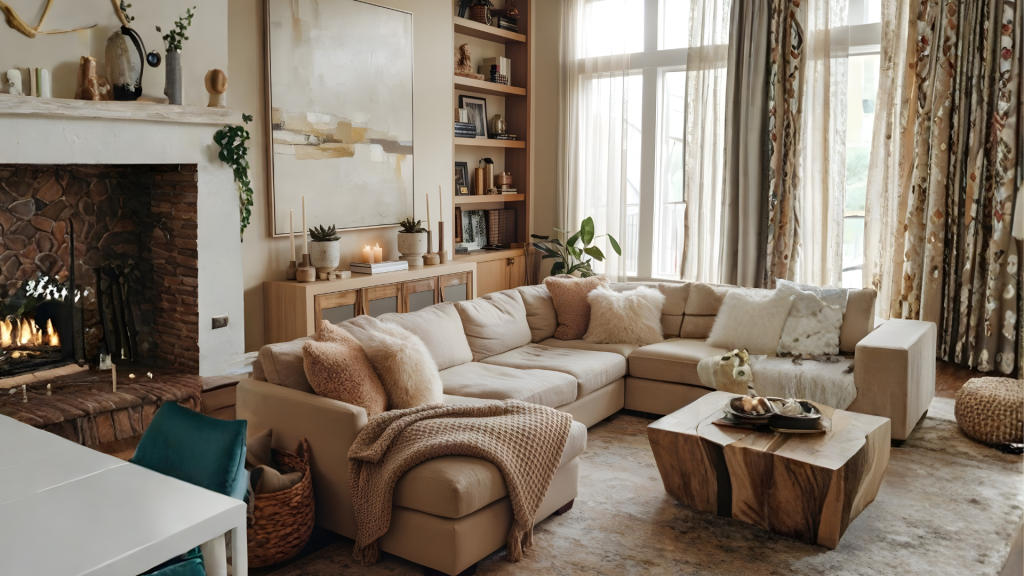
This is how you create that sink-right-in comfort. Don’t just stick to one fabric. Drape a linen throw over your sofa, add a mix of velvet and knit pillows, and choose a rug with some plushness. Layering different textiles adds softness and visual richness that makes a room feel inviting and complete.
4. Don’t forget to count patterns
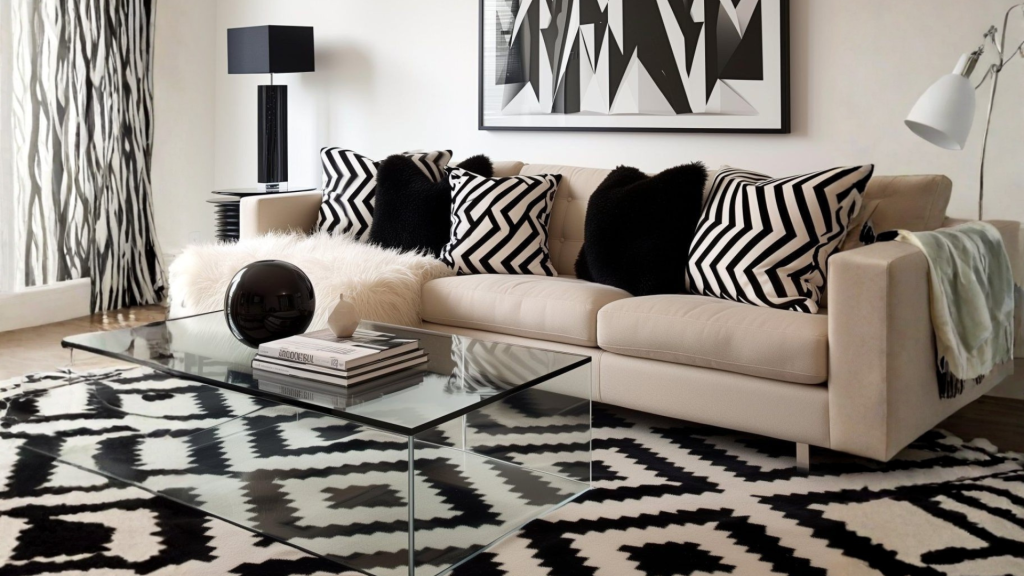
A striped cushion or a geometric rug adds visual texture, tricking the eye into seeing more depth. They are an easy way to add interest, even on flat surfaces.
5. Always Bring in Nature
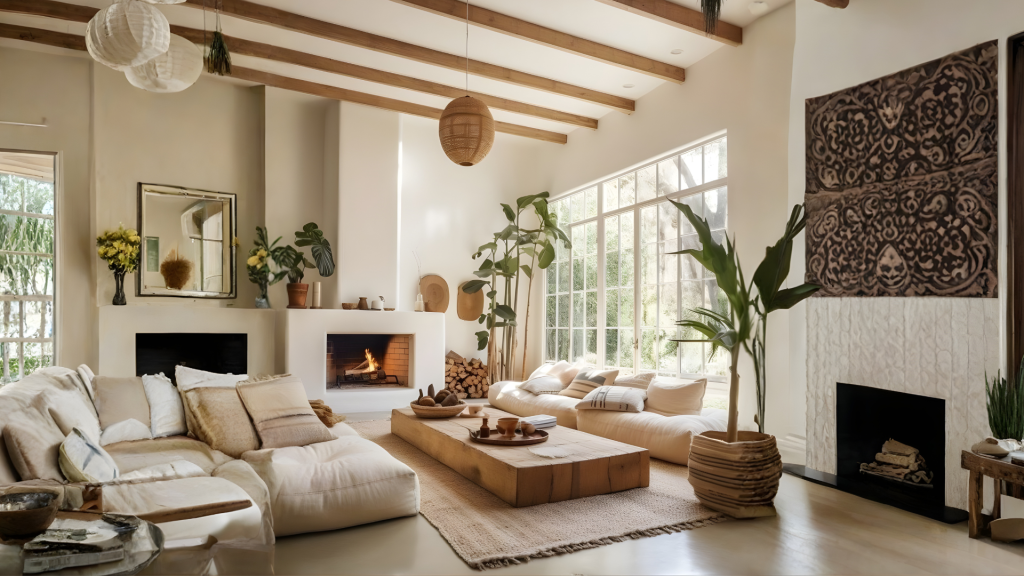
This is the non-negotiable finishing touch. Natural elements like wood, rattan, stone, or a simple green plant are the soul of a room. They add instant warmth and life. A woman’s basket for blankets, a wood bowl on the table, or a fiddle-leaf fig in the corner grounds the space and makes it feel calm, fresh, and connected to the outside world.
What Are the Most Common Texture-Mixing Mistakes to Avoid?
- One issue is that we use too many similar textures, which results in a monotony of design. For example, in a small room which is meant to be a breath of air, come heavy wall textures, chunky furniture,e and bold textiles which only end up in a feel of crowding.
- It is a mistake to pay no attention to color harmony. Even the most beautiful textures will stand out as off-putting if they do not belong in the same color scheme.
- Do not forget the function. A living room is not a living room if it is not comfortable and practical. Textures in interior design should add a lively mood to the space.
How Can Opalspace Help You?
In a small living room, we are mixing in strict rules. We present choices that feel right for you. When you combine soft, hard, and natural textures in the right way, even the smallest of spaces can feel warm and intentional.
At Opalspace, we apply these principles of textures in interior design from small living rooms to complete interior design solutions. We are also experts in designing bedrooms, modular kitchens, and other interiors.
At Opalspace, we apply these principles of textures in interior design from small living rooms to complete interior design solutions. We are also experts in designing bedrooms, modular kitchens, and other interiors.
FAQs
1. Why is mixing textures important in small living spaces?
Mixing textures adds depth and personality to a small living room. When space is limited, texture helps create visual interest without adding clutter, making the room feel layered, warm, and thoughtfully designed rather than flat or boring.
2. Can textures really make a small living room feel bigger?
Yes. Using the right mix of textures especially light-reflective hard surfaces and soft, layered fabrics adds dimension and prevents the space from feeling boxed in or lifeless.
3. What are the main texture types used in interior design?
The three key texture types are soft textures (fabrics like velvet, wool, and linen), hard textures (materials such as glass, metal, and marble), and natural textures (wood, leather, rattan, and jute).
4. How do soft textures help small spaces feel cozier?
Soft textures introduce warmth and comfort. Elements like cushions, throws, rugs, and upholstered furniture soften sharp lines and make even a compact living room feel inviting and relaxed.
5. Are hard textures necessary in a small living room?
Absolutely. Hard textures balance out soft elements and keep the room from feeling too casual or cluttered. A glass coffee table or metal lamp adds structure, polish, and light reflection.
6. What role do natural textures play in small interiors?
Natural textures ground a space and add an organic, lived-in feel. Even one wooden element or a woven accessory can make a small living room feel warmer, calmer, and more welcoming.
7. How do I start mixing textures without overdoing it?
Begin with a calm, neutral foundation. Once the base is simple, you can gradually layer in textures through furniture, textiles, and accessories without overwhelming the space.